Kindness in Circulation: Best Practices for UK Swap and Gift Communities
Step into the vibrant world of online swap and gift economies across the United Kingdom, where everyday generosity meets practical coordination. This guide focuses on best practices for UK groups, highlighting safety, inclusion, consent, and joyful culture. You will find actionable frameworks for posts, moderation, pickups, privacy, and legal edge cases, plus stories and rituals that sustain momentum. Whether you run a busy city group or a rural circle spanning villages, these approaches help reduce waste, cut costs, and keep kindness moving confidently between neighbours.

Trust Before Trades
Trust is the currency that powers successful exchanges, and it must be intentionally cultivated before items start moving. Begin with clarity: write rules in warm, plain English, and pair them with relatable examples that show how things work here in the UK. Name the values that matter—consent, safety, accessibility, and respect—then make them visible in pinned posts and welcome messages. Adopt transparent decision-making and open moderation logs so members see fairness in action. When people feel safe, seen, and heard, generosity becomes effortless, and no‑show rates fall naturally.

House Rules That Feel Human
Replace stiff, legalistic bullet points with short, compassionate guidelines that explain not only what to do, but why it matters. Include examples like how to queue fairly, how to withdraw politely, and how to decline offers without shaming anyone. Pin a one‑page summary, link to a fuller guide, and refresh seasonally. State your stance on resale, safety, and age‑restricted items. Emphasise local context—postcode tagging, nearest station cues, and common meeting spots—so newcomers immediately understand practical expectations.

Consent‑First Exchanges and Safety Checks
Treat consent as the baseline for every interaction, not an optional add‑on. Encourage members to set boundaries about times, locations, and communication channels, and normalise changing one’s mind without pressure. Recommend well‑lit, public pickup locations where appropriate, and discourage sharing unnecessary personal data. Remind members about UK regulations around age‑restricted goods, and advise ID verification where relevant. Provide a simple checklist—double‑confirm timing, bring exact packaging, and photograph items handed over—to reduce misunderstandings while keeping interactions friendly and respectful.

Moderation Playbooks That De‑escalate
Create a calm, repeatable flow for tricky moments: acknowledge feelings, restate rules, invite resolution, and document outcomes. Use templated replies that stay human, not robotic, and offer private mediation before public warnings. Keep a lightweight incident record to track patterns while respecting privacy. Rotate moderators to prevent burnout and bias, and publish anonymised quarterly summaries to show consistent standards. Equip the team with de‑escalation language, accessibility awareness, and safeguarding basics so conflicts become learning moments rather than flashpoints.
Writing an OFFER People Understand

Start with a crisp headline and an accurate location marker, then add dimensions, condition, included parts, and any quirks. Share when collection is easiest, whether stairs are involved, and if help is needed for lifting. Include respectful notes on accessibility, like quiet hours or baby nap windows. Add two or three well‑lit photos and honest condition tags. Suggest how recipients might use or repair the item. Close with selection timing and a promise to update the post so people are not left guessing.
Respectful Requests That Don’t Pressure

When posting an ISO, avoid urgency theatre and explain your use case briefly and sincerely. Include your location, preferred collection radius, and any access considerations. Offer flexible times and accept that givers choose their recipient. If you can cover postage, state it clearly, without coercion. Thank people even when they cannot help, and close the loop when you find what you need. Kind, transparent requests reduce friction, encourage future offers, and make newcomers feel that asking is welcome, dignified, and safe.
Clear Photos, Honest Conditions, Transparent Timelines
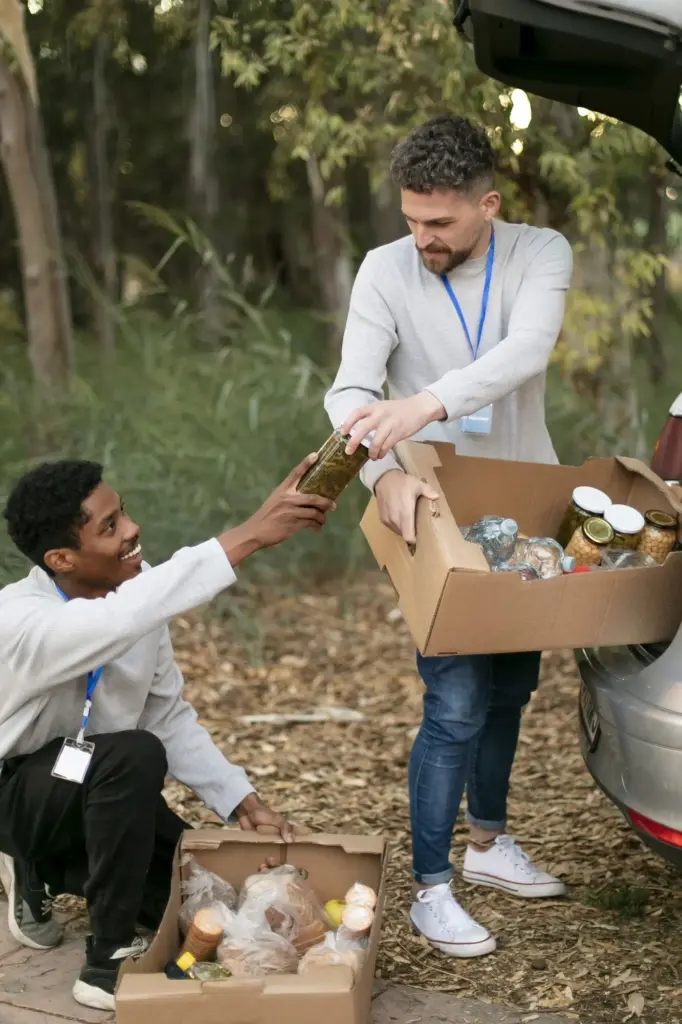
Photos should be bright, uncluttered, and show scale with a common object. Add alt text so visually impaired members can participate fully. Describe condition candidly, including wear, missing screws, faint smells, or pet exposure. Set a clear selection time and stick to it. If plans change, update promptly to avoid ghosting. Post a final comment when collected, thanking participants and signalling closure. This tidy rhythm respects everyone’s time, improves search, and helps keep generosity joyful rather than exhausting.
From Click to Collection
Great logistics make kindness feel easy. Establish fair queuing norms, define how long someone can reserve an item, and maintain backup recipients to reduce wasteful delays. Encourage public coordination until collection is agreed, then switch to direct messages for privacy. Promote safe, low‑carbon options like walking meetups, cargo bikes, and grouped errands. Clarify when postage is acceptable and how to handle costs transparently. By balancing flexibility with gentle structure, UK groups can move items smoothly from intention to doorstep without drama or confusion.
Generosity Without Gatekeeping
Equity keeps the circle open. Replace secret favourites with transparent selection practices and rotate spotlight opportunities so more voices are heard. Write a clear anti‑resale policy and define what counts as exploitation. Support dignity by discouraging pity contests, and celebrate repair, reuse, and creativity equally. Invite feedback through regular check‑ins and anonymous forms. When people trust the process to be fair, they offer more, ask without shame, and help sustain a culture where resources circulate based on need, timing, and possibility.

No‑Resale and Anti‑Exploitation Safeguards
State plainly that items received should not be flipped for profit, and outline proportionate responses for breaches. Encourage members to report concerns privately with evidence, avoiding public pile‑ons. Distinguish legitimate upcycling or costs recouped for parts from exploitative resale. Publish anonymised enforcement summaries to maintain trust. Above all, prioritise education before punishment, offering chances to learn community standards, while protecting vulnerable members and honouring the spirit of gifting that makes participation meaningful and sustainable.
Welcoming Language and Supportive Culture
Model kindness in every caption, comment, and reminder. Use inclusive language, avoid shaming, and thank people for trying even when outcomes change. Encourage alt text, readable formatting, and simple English to support diverse literacy levels. Invite pronouns optionally, and never pressure disclosure. Spotlight creative repairs, small wins, and quiet contributors who keep things moving behind the scenes. When warmth is consistent, conflict cools faster, and generosity multiplies because people feel safe to participate imperfectly yet wholeheartedly.
Young Members, Safeguarding, and Care
Publish clear age policies, including parental consent for under‑18s where platforms allow. Remind members never to meet minors alone in private settings. Encourage pickups in public places and maintain written records of times and contacts. Avoid gifting safety‑critical items to children without expert checks. Train moderators on safeguarding signposting so they can refer concerns appropriately. Protecting young people and respecting families’ boundaries builds confidence across the community and aligns everyday kindness with responsible, thoughtful practice.
Stories, Rituals, and Momentum
Narrative binds people together. Invite monthly gratitude threads, repair showcases, and make‑do highlights where members share what worked and what failed honestly. Celebrate milestones like diverted‑from‑landfill counts and newcomer spotlights. Keep rituals optional, never performative. Offer gentle prompts for photo updates once items find a home, closing loops without pressure. Share moderator reflections about learning moments, so the circle grows wiser collectively. These rhythms transform isolated exchanges into a sustained culture that outlives platforms, trends, and algorithm changes.
Host recurring spaces where people celebrate successful handovers, unexpected kindness, and inventive reuses. Make thanks optional and shame‑free, focusing on stories rather than scorekeeping. Curate a few examples that highlight accessibility wins, carbon savings, or kids learning repair skills. Encourage respectful tagging so credit reaches helpers without dogpiles. These gentle rituals turn one‑off gifts into communal memories, strengthening bonds that make future coordination smoother, more trusting, and delightfully efficient.
Moderators deserve structures that protect their energy. Create a rota, limit late‑night responses, and provide templated messages for common situations. Hold brief retrospectives to refine decisions without blame. Encourage moderators to step back when needed and celebrate handovers of responsibility as healthy, not failures. Offer peer support channels and clear escalation paths. A cared‑for team radiates steadiness, and members respond with patience, gratitude, and continued participation even during busy, messy community growth phases.
Map a friendly first week: a pinned quick‑start, a visual post template, and a short etiquette guide that explains why norms exist. Offer an optional buddy system pairing veterans with curious newcomers. Share a glossary for acronyms and accessibility conventions like alt text. Invite a first small action—commenting thanks, offering packaging supplies, or posting a humble ISO. Early wins build confidence, and confident members become future helpers, storytellers, and moderators who keep generosity in motion.

Safety, Legality, and Ethics in the UK
Clarity about prohibited items and responsibility prevents harm. List non‑transferables: prescription medicines, recalled goods, unsafe car seats or helmets, certain knives, fireworks, and questionable electricals without testing. Encourage members to check manufacturer recalls and safety notices. Remind givers to wipe personal data from devices, and advise recipients to test cautiously. Adopt privacy‑by‑default admin tools and minimise data collection. When ethical lines are explicit and consistently upheld, people feel secure participating, and your circle avoids preventable risks and reputational damage.
Items You Should Decline, However Tempting
Turn down items that can harm even with good intentions: damaged helmets, expired child seats, frayed chargers, dodgy mains adapters, and recalled appliances. Be careful with cosmetics, latex, or allergen‑exposed textiles. Share links to recall databases and safety charities. Encourage repairs only when risks are understood and mitigated. When in doubt, choose caution, explain your reasoning kindly, and offer alternatives like parts harvesting or responsible recycling guides that still honour waste reduction goals.
Privacy by Design and GDPR Basics
Collect the least data necessary, keep it in the fewest places, and for the shortest time. Avoid spreadsheets of addresses; confirm collection details, then delete. Limit moderator access and use strong authentication. Keep conversations on‑platform where possible, and document consent for off‑platform sharing. Publish a simple privacy notice covering what you store and why. Respond promptly to deletion requests. These habits protect members, reduce admin anxiety, and align community care with legal responsibility across the UK context.
Handling Disputes, Scams, and Harm
Prepare a clear reporting route with calm, timely responses. Ask for screenshots, summarise concerns neutrally, and avoid public shaming. Distinguish misunderstandings from patterns of manipulation, and apply proportionate consequences. Offer restorative options where safe. Escalate threats or illegal behaviour to appropriate authorities and signpost support services if needed. Publish learnings without naming individuals. When accountability is steady, compassionate, and transparent, the circle becomes safer, and confidence in gifting rises rather than retracts after difficult moments.

All Rights Reserved.